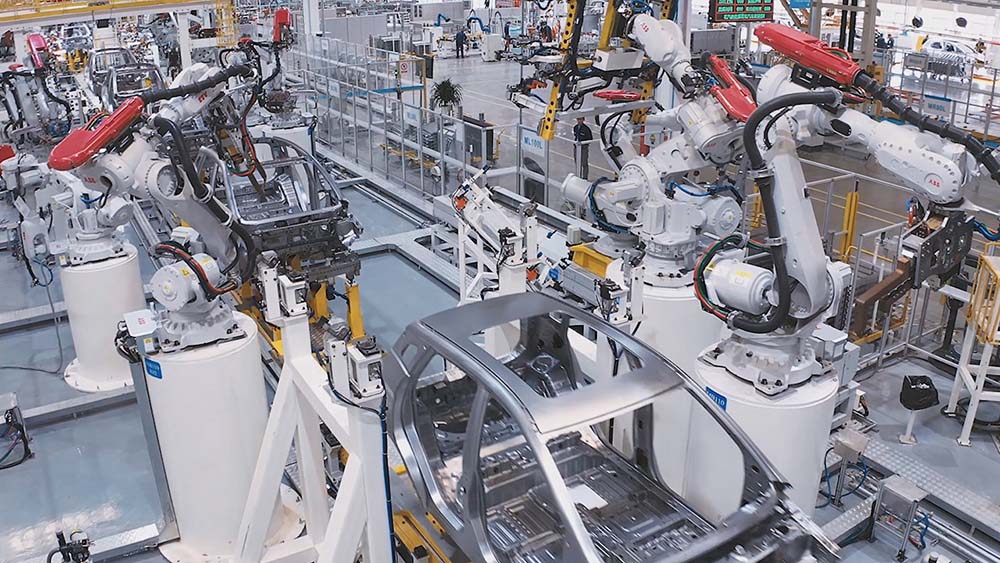
After the disruptions of trade conflict, the COVID-19 pandemic, and ongoing supply chain and workforce challenges, sales of industrial robots made a strong recovery in 2021, reported the International Federation of Robotics. A new record of 486,800 units were shipped globally—an increase of 27% compared with the previous year. The Americas increased by 27%, with 49,400 units sold.
Service robotics is a fast-developing sector, requiring embedded intelligence into robotic platforms to interact with the humans and the surrounding environment. One of the main challenges in the field is robust and versatile manipulation in everyday life activities. An appealing opportunity is to exploit compliant end-effectors to address the manipulation of deformable objects. However, the intrinsic compliance of such grippers results in increased difficulties in grasping control.
The global industrial robotics market is estimated to surpass US$96bn (£73bn) by the end of 2028, according to a new market research report by Future Market Insights.
Robotics is a diverse sector with many moving parts, and what its future will look like is a complex question. To offer insight, BCG did a deep dive into the robotics industry and the potential for old and new players to grow over the next decade. Our very concise conclusion: robotics has significant upside potential.
Industrial robots perform activities or actions such as welding, painting, product inspection with speed and precision which leads to high productivity at a low cost. Working with these industry robots or automation robots increase market share. Robot manufacturers in India invest in industrial robots to perform complex tasks, such as weld inspection and optimization in the automation industry. These tasks involve sophisticated actions and motion sequences, which the robot may even have to identify itself.