The world’s most efficient solar cells are twice as efficient as the ones people put on their roofs, but hardly anyone uses them because the semiconductor materials they’re made of are so expensive. That could be about to change.
Ali Javey, professor of electrical engineering and computer sciences at the University of California at Berkeley, has found a far cheaper way to manufacture these better-performing semiconductors. This advance could lower the cost of high-efficiency solar cells, potentially making them as cheap as conventional ones. Javey says the new process could be a “game changer” for solar cells.
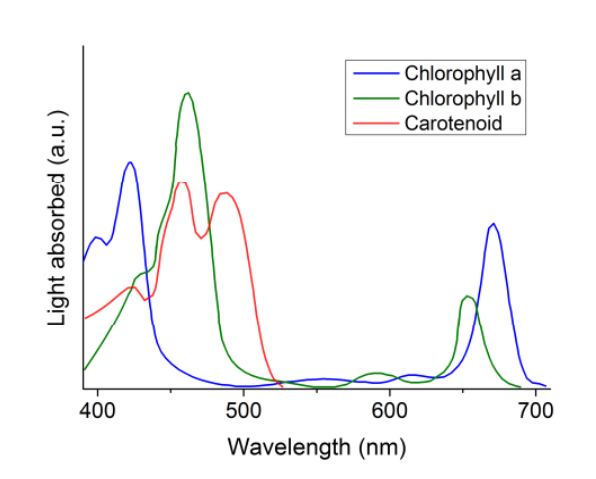
LEDs outperform incandescent lights, hands down. But they should also give farmers unprecedented control over plant growth, development and nutritional content in future, say researchers.
After all the angst generated by the Affordable Care Act, and all the punditry, noise, and debate that accompanied its rollout, you might conclude that there are no practical solutions to our healthcare challenges. But, of course, there are new answers and solutions and new, creative approaches to solving healthcare problems. You just have to look at innovative, private sector enterprises. And if you do, you might find one of the more innovative answers to eldercare right there in your old-fashioned television set. Just ask Kian Saneii, CEO of Independa.
With the launch of a health app and data-sharing platform, Apple is betting that tracking your vital signs via smartphone is about to become a booming industry.
The number of apps available for health tracking has grown in the past few years, although adoption of these apps has not grown significantly. Clinicians are, however, starting to explore the benefits of using such apps to keep track of patients’ health indicators and offer advice. If this strategy proves helpful and both doctors and patients are comfortable sharing data, mobile health tracking could indeed become big enough to produce significant revenue for companies like Apple.
El investigador de IK4-IKERLAN Asier Díaz de Corcuera ha recibido el premio Eolo de innovación 2014, que entregan la Asociación Empresarial Eólica (AEE) y la Plataforma Tecnológica del Sector Eólico REOLTEC. Este galardón, que premia el mejor trabajo del año dedicado a la innovación tecnológica en el sector eólico, ha recaído en la tesis doctoral del investigador, en la que propone un método que alarga la vida de los aerogeneradores.
En la tesis, titulada ‘Diseño de controladores robustos para la reducción de cargas en aerogeneradores’, Díaz de Corcuera plantea un novedoso método para diseñar los sistemas de control de los aerogeneradores.
Handybook hopes to provide users with a way to hire cleaners or a handyman with the push of a button on their mobile phones. The company today is announcing it has raised a $30 million round of funding from Revolution Growth to support its expansion in new markets.
One of a growing number of startups offering the ability to book services online or through mobile apps, Handybook connects its users with professionals who can perform a variety of duties around the home. That starts with cleaning, but also extends to light plumbing and electrical work.
Los usuarios de ELKARBIDE pueden participar en la selección de los proyectos ganadores de la competición KIMU BERRI AISE, un concurso cuyo objetivo es diseñar productos y servicios que hagan más fácil la vida cotidiana de las personas.
La competición en la cual participan los alumnos de cuatro másteres de la Escuela Politécnica de Mondragon Unibertsitatea, es promovida por KIMU BERRI, iniciativa que pretende promocionar el emprendimiento en la juventud de Debagoiena.
Así, el concurso AISE constituye un proceso articulado sobre los proyectos realizados bajo la metodología Project Based Learning (PBL) de los siguientes masters:
La semana pasada se celebró en la ciudad condal el BizBarcelona, la feria del emprendedor. Easy Startup no podía faltar a la cita y uno de los eventos a los que asistió con más interés fue al BDO & 4YFN startup competition con el fin de conocer las startups con mayor potencial de crecimiento de nuestra ciudad.
El certamen no nos defraudó y asistimos al pitch de 3 minutos de cada una de las 10 startups finalistas seleccionadas previamente por un prestigioso jurado:
Chrono Therapeutics‘ wearable, called SmartStop, injects a tiny bit of nicotine into the wearer’s bloodstream at timed intervals.
In this way it’s similar to the patch, but SmartStop gives the wearer some control over when that happens. Timing the introduction of the nicotine can help the user deal with cravings, the company says.