New startup vArmour is joining the mix to solve a persistent data center security problem: How do enterprises keep information safe as file storage increasingly becomes virtual?
There was a time when companies stored sensitive files on specific hardware — that is no longer the case. Cloud technology has made it so that files aren’t stored on one particular hard drive or tower anymore. Instead they move fluidly from server to server. That technology makes data centers more efficient and IT more flexible, but it also compromises security software, which relies on files staying in one place.
“Security likes to be able to lock your stuff in place,” says Jon Oltsik, senior principle analyst at Enterprise Strategy Group.
A new study suggests that the explosive adoption of mobile devices will help, not hurt brick and mortar shops – challenging the fear that ecommerce firms like Amazon are a death knell to local commerce.
Zynstra, which offers ‘hybrid cloud’ solutions for small and medium sized enterprises, has raised a further $8.4 million of funding in a Series B round. This brings the total amount raised to just over $14.4 million.
The UK startup plans to use the additional capital to further develop its range of “hybrid cloud” products, which are designed for SMEs as opposed to much larger enterprises, and expand its channel reach in the UK, and then launch in the U.S. towards the end of this year.
‘Faccile’ supone una innovación en las marcas propias de la cooperativa, al incorporar una nueva gama de productos frescos preparados para ir a la plancha, la sartén o al horno; ya limpios, cortados, marinados, condimentados, rebozados o adobados.
EROSKI ha presentado su última innovación en marca de distribuidor dirigida a quienes muestran una preferencia por las comidas cocinadas en casa y necesitan soluciones fáciles y ágiles.
Data center storage giant EMC gets that more companies want to tap public clouds to store growing piles of data. So it’s been busy designing technology that can bring in revenue while also permitting cloud usage. Now EMC has acquired a startup that’s been working on that goal for years.
It looks like Valeritas, which is developing insulin pumps for Type 2 diabetes, is in the midst of raising another big round of cash.
The New Jersey medical device company filed paperwork with the SEC indicating it’s raised about $22 million in a round that could go as high as $45 million.
Wouldn’t it be nice if family planning were as simple as turning on the TV? Well, it might be in the near future, thanks to a contraceptive computer chip slated for potential public sale sometime in 2018.
Created by MicroCHIPS, a Massachssetts-based drug delivery implant developer, the chip is to be inserted under a woman’s skin and can be activated and deactivated by remote control. It works by administering a low dose of the hormone levonorgestrel once a day.
The really impressive part? The chip is good for 16 years; only then would you need another visit to the doctor’s office for replacement.


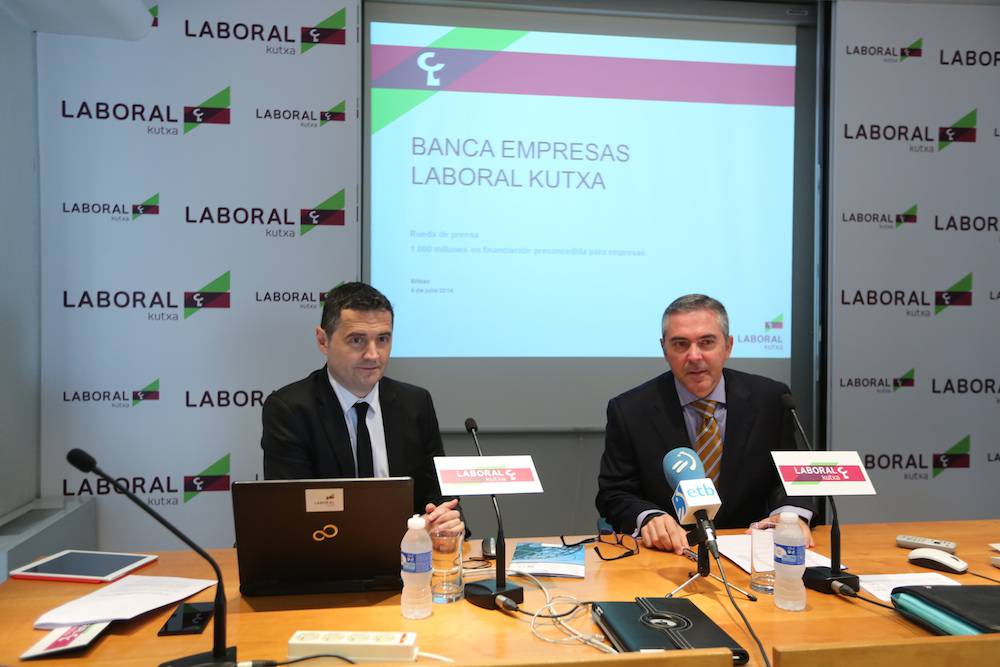
 Oscar Mugerza eta Josu Arraiza. |